
Foreword
Make safety management an indicator of the entire ESG solution.
In the wave of sustainable development, safety management is no longer just the responsibility of the occupational safety unit, but a quantifiable indicator of corporate governance and social responsibility. Hon-Tsai Technology leverages AIoT (Artificial Intelligence of Things) technology to transform safety management into concrete ESG sustainability indicators, helping enterprises implement genuine sustainability at their core.
1.Environmental - Green Operations and Resource Conservation
- Full-process Paperless Transformation: After system implementation, traditional forms have been significantly reduced, effectively saving paper consumption in operations.
- Preventive Environmental Protection: Through vibration sensors and AI monitoring, precise warnings are issued before equipment failures, preventing energy waste (such as idle power consumption) or environmental pollution incidents caused by chemical leaks due to machine malfunctions.
2.Social - Implement a people-oriented approach and build a workplace safety culture.
- Proactively protect employees and reduce their burden: Utilize video surveillance and gas detection alarms to ensure on-site personnel are safe from accidents; reduce the frequency of entering high-risk areas, significantly lowering work fatigue.
- Implement equal protection for contractors: Strictly verify the validity of contractors' licenses and personal safety when entering the site, providing protective standards equivalent to those for in-house employees.
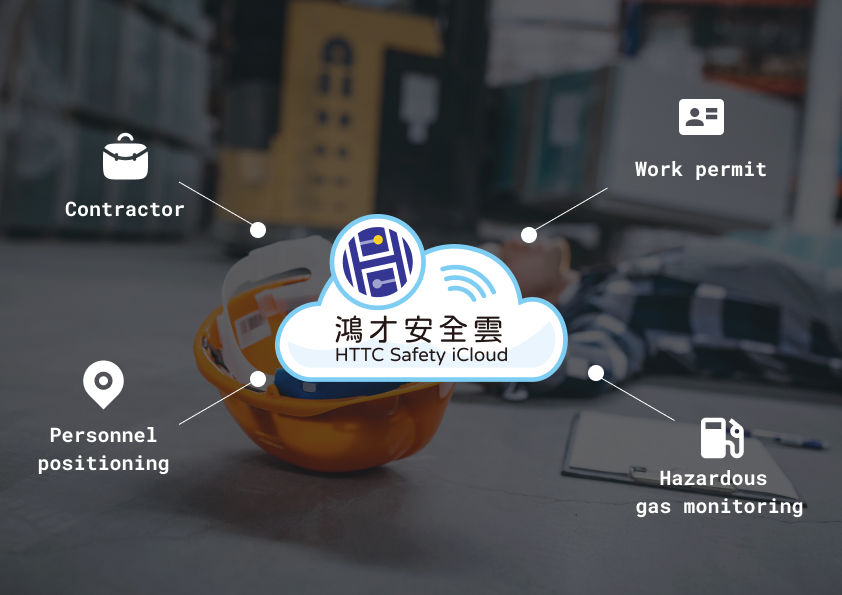
- Systematically prevent occupational safety risks: Through the "Hon-Tsai Safety IoT Cloud," integrate management of work permits, personnel positioning, and hazardous gas monitoring to reduce accident risks from the source.
3.Governance - Integrity Data and Digital Compliance
- Anti-fraud and counterfeit mechanism: Utilizes GPS positioning, NFC sensing, and AI image verification to ensure inspection data cannot be tampered with, effectively eliminating "fake inspections."
- Data-driven decision support: Generates reports or digital dashboards to assist executives and plant managers in data-driven management.
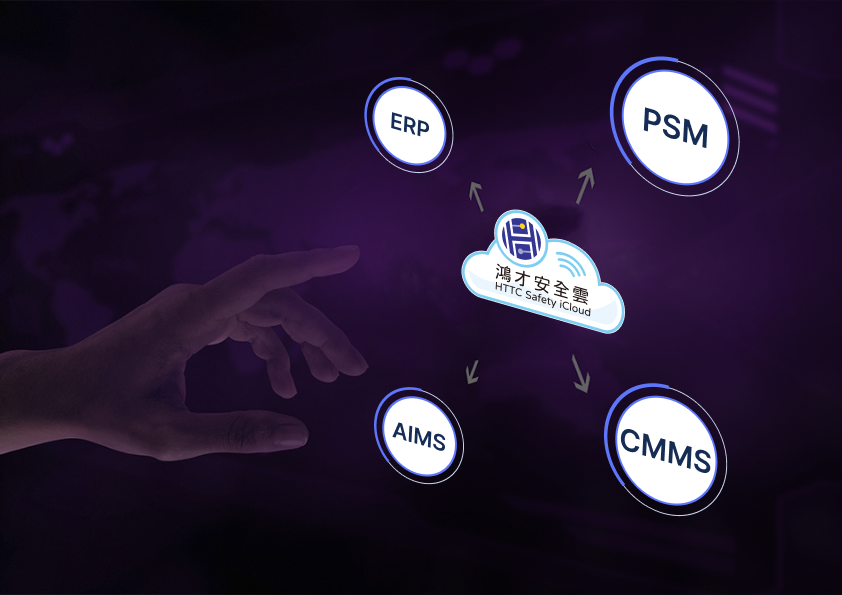
- Compliance and system integration: Complies with international certifications such as ISO45001 and occupational safety regulations, and can integrate with existing enterprise systems like PSM, CMMS, and ERP to enhance overall operational governance.
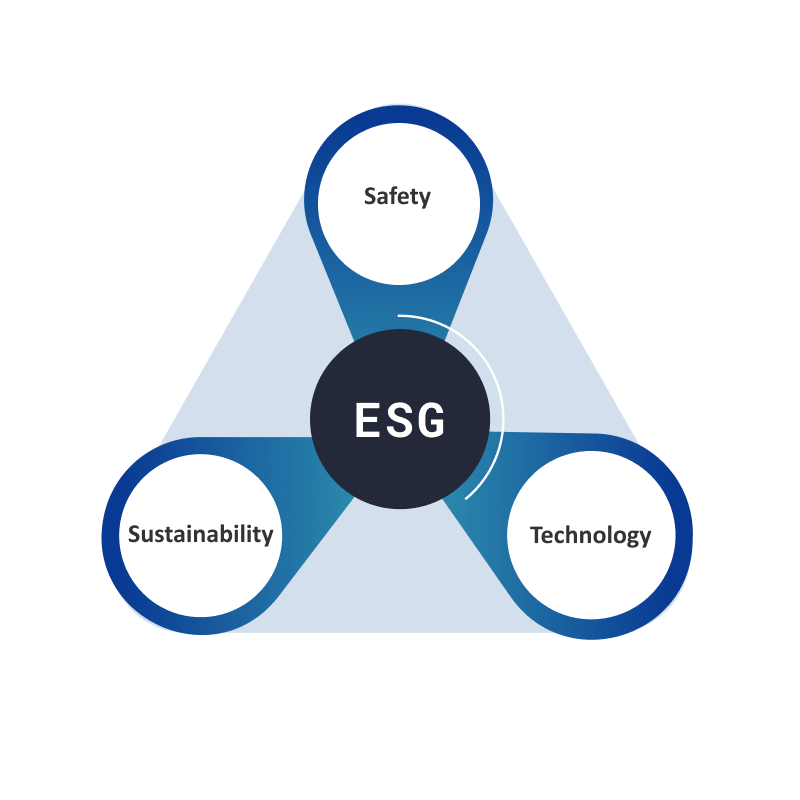
Design Concept
Design Safety from the Root Cause
According to the well-known Heinrich's Law, up to 88% of workplace safety accidents stem from "unsafe human behaviors." We are committed to eliminating these risks through systematic design, making safety not just something identified through inspections, but something created through design and management.
Utilize Hon-Tsai Secure IoT Cloud
Combining multiple innovative mobile device technologies, data analysis and real-time anomaly alerts are conducted through the " Hon-Tsai Secure IoT Cloud," continuously improving and formulating more comprehensive ESG strategies.
Seamless AI Intelligence Upgrade
Enterprises do not need to rebuild the underlying infrastructure. The AI expansion module can seamlessly integrate with existing inspection management systems and apps, enabling easy intelligent upgrades.
System Overview

Real-Time Video System for Hazardous Construction

Mobile Gas Detection System

Contractor Smart Construction Site Management Platform

AI Intelligent Image Recognition and Protection

Heavy Machinery License Plate Recognition System

AI Fire Inspection and Map Data Management

AI Intelligent Digital Surveillance System

Intelligent Digital Twin Platform
Agent Products
Hon-Tsai Technology Co., Ltd. recognizes the importance of the security industry and is dedicated to developing security management systems for industries such as petrochemicals, fire safety, defense, manufacturing, and more. Our research and development team has successfully commercialized products in the 3K industries (hard, dirty, and dangerous jobs). These products are based on the same technology, revolving around the same concept, which combines software, mobile devices (such as PDAs, tablets, and smartphones), wireless communication technologies (such as RFID, NFC, 4G/5G, Wi-Fi, GPS), and the concepts of Information and Communication Technology (ICT) and the Internet of Things (IoT).
We provide security management solutions that use RFID/NFC or GPS with handheld mobile devices (such as tablets, and smartphones) to assist businesses with inspection operations, occupational safety and quality audits, and contractor management. Since these operations are round-the-clock, especially outdoor inspection projects, information systems must be designed to allow operators to use mobile devices conveniently, even in harsh environmental conditions. Due to the need to integrate maintenance operations into the process, which may involve climbing, descending, and working in challenging environments such as high altitudes and waterways, the durability of inspection devices must be considered to prevent inaccurate inspections due to device failure. Factors such as font size, glare, vibration, rain, dust, drop resistance, offline operation, continuous usage time, and charging must be considered. Our company accumulates valuable experience from every planning project we participate in, and we only choose hardware agents that can withstand harsh environmental conditions, such as explosion-proof zones (Zone 1, Zone 2), IP65 dust and water resistance to prevent dust intrusion, and the ability to operate normally even in rainy weather. These devices are designed with a 1.8-meter drop resistance to prevent screen or casing damage in the event of a fall, and they pass military standard MIL-STD-810G certification, ensuring they can operate even when dropped on concrete surfaces or in harsh conditions like high temperatures, cold temperatures, heavy dust, and rain.

- Explosion-proof tablet device
- Rugged Military Tablet
- Rugged Military Laptop


- Military Spec Handheld Device
- Industrial type Handheld Device
- Explosion-proof Military Spec Handheld Device


- Explosion-proof Camera
- AI smart camera

- License Plate Recognition System
- Facial recognition device

- Explosion-Proof RFID Tag
- HF/UHF RFID TAG
- Self-powered Type 7 Environmental Sensor


- IoT Explosion-Proof Gas Detector
- Mobile inspection sensor


Product Description
Occupational Safety Accident Prevention and Control
- This equipment is equipped with explosion-proof features (Zone 1/2), IP65 dust and water resistance, and military-grade MIL-STD-810G certification, ensuring continuous and stable operation in harsh environments. Integrated with the "Hon-Tsai Safety IoT Cloud" system, it can perform inspections, contractor management, and hazardous gas monitoring in high-temperature, dusty, or high-risk work areas, strengthening the prevention and control of occupational safety accidents from the source.
Risk Assessment and Management
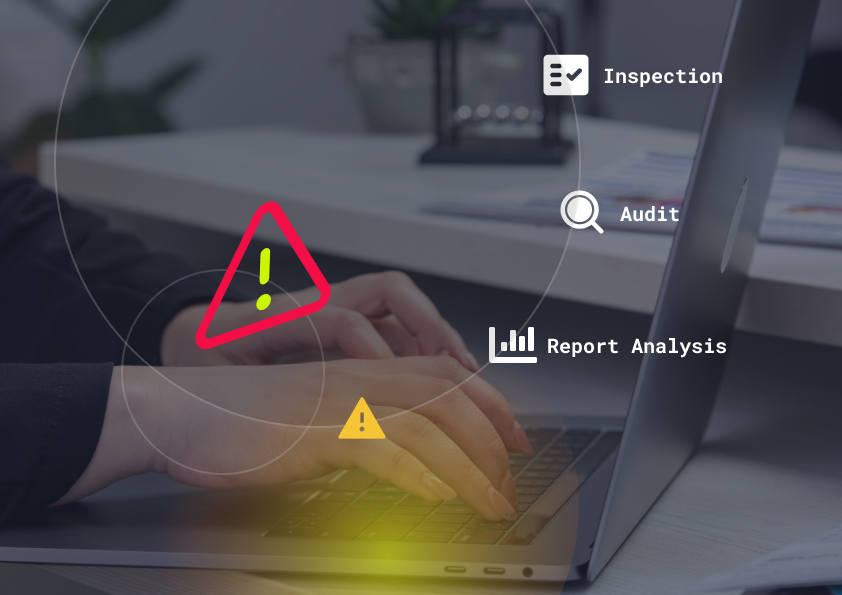
- By integrating communication technologies such as RFID, NFC, 4G/5G, Wi-Fi, GPS, and QR codes, the system can perform real-time on-site inspections and audits. Through the high integration of software and hardware, enterprises can more effectively identify potential occupational safety risks in real time and implement risk management through report analysis, thereby reducing the incidence of accidents.
Data Analysis and Decision Making
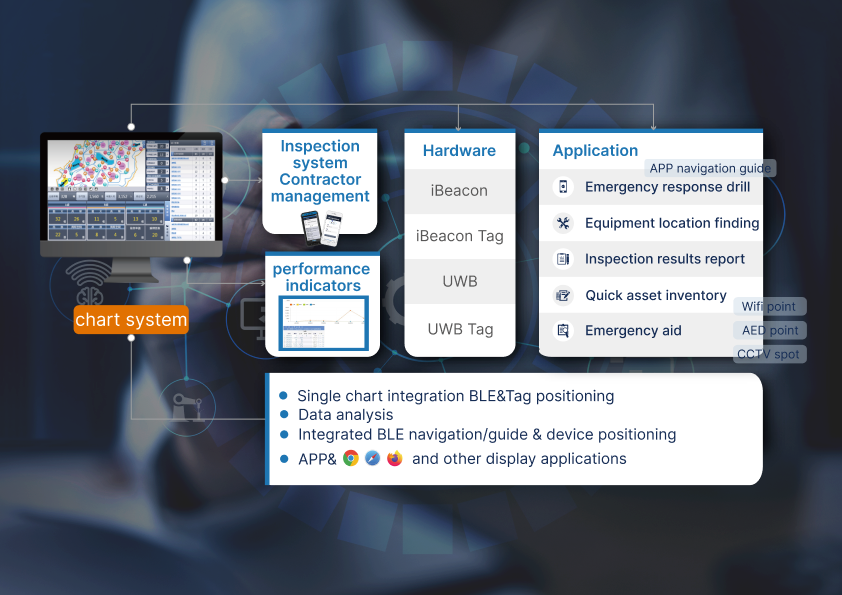
- AI models can be implemented for training and inference to automate inspection and recognition tasks. Combined with the system's safety hazard statistics and annual disaster inquiry functions, the on-site data collected by AI is transformed into concrete decision reports, assisting enterprises in implementing data-driven continuous improvement plans.

Technology Application and Innovation
- Utilize technologies such as wireless transmission, mobile devices and data platforms to improve the efficiency and effectiveness of industrial safety management. Assisting enterprises in pursuing excellence and sustainable development is related to the innovation aspect of ESG.
System Integration
- The Hon-Tsai IoT safety network system can integrate data from different systems such as PSM, CMMS, AIMS, and ERP, helping companies to have a more comprehensive understanding of workplace safety conditions and incorporate them into overall operational management. It can be seen as a practice of corporate governance.